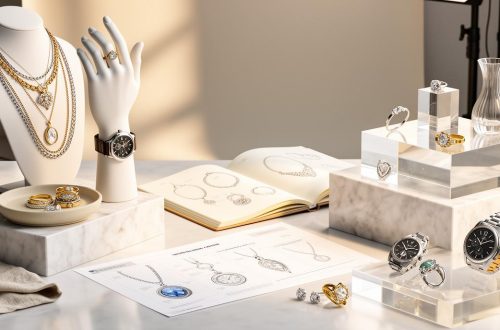
Junk Jewelry Lot Treasures: How a Pile of Mixed Costume Jewelry Can Deliver Extraordinary Value
Understanding the Real Value of a Junk Jewelry Lot
A junk jewelry lot often sounds like a box of broken chains, missing earrings, and outdated clip-ons, but for collectors and resellers it is closer to a treasure hunt. In the jewelry world, “junk” is often shorthand for mixed, ungraded, or unsorted costume and vintage pieces rather than actual trash. These lots can include everything from 1960s enamel brooches and 1980s gold-tone bracelets to delicate Victorian mourning pins and signed designer earrings. Because such pieces are sold together without individual listings, the price per piece tends to be far lower than retail.
The appeal of a junk jewelry lot is the possibility of discovering something far more valuable than the overall price suggests. A tangle of gold-tone chains may contain a single sterling silver necklace marked 925. A zip-top bag of plastic bangles might hold a Bakelite bracelet worth several times the lot price. Even damaged pieces have value as supply for jewelry repair, mixed-media art, or handmade jewelry design. The beauty of this category is that value is not always obvious at first glance, and a patient eye can turn a modest purchase into a profitable flip or a meaningful addition to a collection.
Sustainable shopping is another reason junk jewelry lots are growing in popularity. When buyers purchase these mixed bundles, they give new life to old accessories that might otherwise end up in a landfill. Vintage and costume pieces from previous decades were often made with more care than modern fast-fashion jewelry, and many have unique patinas, hand-set stones, or intricate metalwork that simply is not produced today. Instead of buying new pieces, shoppers can reuse and wear small pieces of history. That makes a junk jewelry lot an environmentally conscious and stylish choice for anyone who loves distinctive accessories.
For people who sell online or at flea markets, a well-chosen junk jewelry lot can become instant inventory. A single lot may contain dozens of wearable pieces that can be cleaned, photographed, and listed separately. Resellers often estimate that even if only a few pieces are valuable, the remainder can be sold in smaller themed bundles or used for craft supplies. Because the initial cost is spread across many items, the risk is lower than buying individual vintage jewelry at full retail. This low-cost entry point makes junk jewelry lots especially appealing to new resellers who want to learn how to identify metals, stones, and vintage design eras without spending a fortune. The key is knowing how to look.
How to Sort and Identify Hidden Gems in a Junk Jewelry Lot
The first step after receiving a mixed junk jewelry lot is to sort pieces in bright daylight or under a strong task lamp. Separate jewelry by type: necklaces, bracelets, earrings, brooches, rings, and loose stones. This simple step reveals the scale of the lot and prevents small pieces from being overlooked. Use a clean white cloth or shallow tray to avoid losing tiny components. As you sort, clip pairs of earrings together and lay chains flat so they do not tangle further. Then begin checking each piece for markings. A small magnifier or jeweler’s loupe is one of the most important tools for this work.
Metal marks are often the fastest route to hidden value. Look for stamps such as “925,” “Sterling,” “14K,” “10K,” “GP,” “GF,” or “HGE.” Sterling silver and solid gold pieces routinely appear in older jewelry lots, especially when the lot came from an estate or a mixed vintage collection. A magnet can help separate obvious base metal from nonmagnetic silver or gold, but it is not a complete test. Gold-filled and gold-plated pieces have their own market, particularly when the original layer is thick or the piece is signed. Do not toss gold-tone pieces immediately; many gold-filled mid-century brooches and chains can still sell well.
Next, look for designer signatures. Marks such as Trifari, Coro, Haskell, Lisner, Kramer, Monet, and Sarah Coventry often indicate costume jewelry that collectors actively seek. Even unsigned pieces can have strong value if the construction quality is high, the stones are hand-set, or the design clearly matches a known era. Pay attention to findings: older pinbacks, C-clasps, j-hooks, and fine chain links often signal earlier production. Pieces from the 1930s to the 1960s are especially collected because of their bold design and solid workmanship.
A carefully selected junk jewelry lot will usually include a mix of inexpensive novelty pieces and a few higher-quality surprises, so sorting by material and then by style helps you decide what to keep, sell, or repair. Check for unusual materials like marcasite, carved shell, Lucite, wood, or early plastics. Bakelite and celluloid pieces can be tested with hot water or a gentle rub to detect a distinctive odor. Finally, set aside any damaged but signed or marked items; even a broken sterling silver earring has melt value, and a single signed earring can often be sold as a replacement piece for collectors.
Where to Find a Quality Junk Jewelry Lot and What to Check Before You Buy
Junk jewelry lots are sold in many places, but quality varies widely. Estate sales, garage sales, thrift stores, flea markets, and online auctions all produce mixed lots. Estate sales are often the best sources because the jewelry comes from a single owner and may not have been pre-sorted by dealers. Thrift stores frequently bag assorted jewelry and offer it at a flat price, though they may have already removed obvious high-value pieces. Online marketplaces and specialty vintage sellers offer convenience, but it is important to read listings carefully and look for clear photographs of the actual lot rather than stock images.
When buying online, avoid listings that only show a blurry pile from a distance. You want to see close-up photos of clasps, backs, and any visible marks. Ask the seller whether the lot has been inspected or sorted, because words like “unsorted” and “estate fresh” can mean different things. A truly unsorted lot may be exciting, but it may also contain a high percentage of broken or badly worn pieces. That is not necessarily a problem if the price is low and you are prepared to scrap, repair, or use parts. For those who want a higher chance of finding wearable or collectible pieces, a curated lot from a vintage and costume jewelry specialist is often worth the extra cost.
Look for lots described with details about the era, materials, or condition. A listing that mentions “signed jewelry,” “sterling findings,” “rhinestone brooches,” or “mixed vintage costume jewelry” gives you a clearer idea of what is inside. If the seller has already sorted some pieces but is selling them together due to time constraints, you may benefit from their quick scan. The best junk jewelry lots are not necessarily the cheapest; they are the ones with visible variety, intact settings, and a few promising clues.
Before buying, decide your main goal. If you are a reseller, calculate a worst-case scenario: What can you recover from scrap metal, replacement earrings, or craft bundles if none of the pieces are especially valuable? If you are a collector, focus on lots that match your favorite designers, materials, or eras. If you are a jewelry maker, broken and unwearable pieces may be exactly what you need. A mixed lot can serve all of these purposes at once, but the right choice depends on your comfort with risk and your willingness to sort through the ordinary pieces to find the special ones.

Born in Taipei, based in Melbourne, Mei-Ling is a certified yoga instructor and former fintech analyst. Her writing dances between cryptocurrency explainers and mindfulness essays, often in the same week. She unwinds by painting watercolor skylines and cataloging obscure tea varieties.

Mei-Ling Han
Born in Taipei, based in Melbourne, Mei-Ling is a certified yoga instructor and former fintech analyst. Her writing dances between cryptocurrency explainers and mindfulness essays, often in the same week. She unwinds by painting watercolor skylines and cataloging obscure tea varieties.