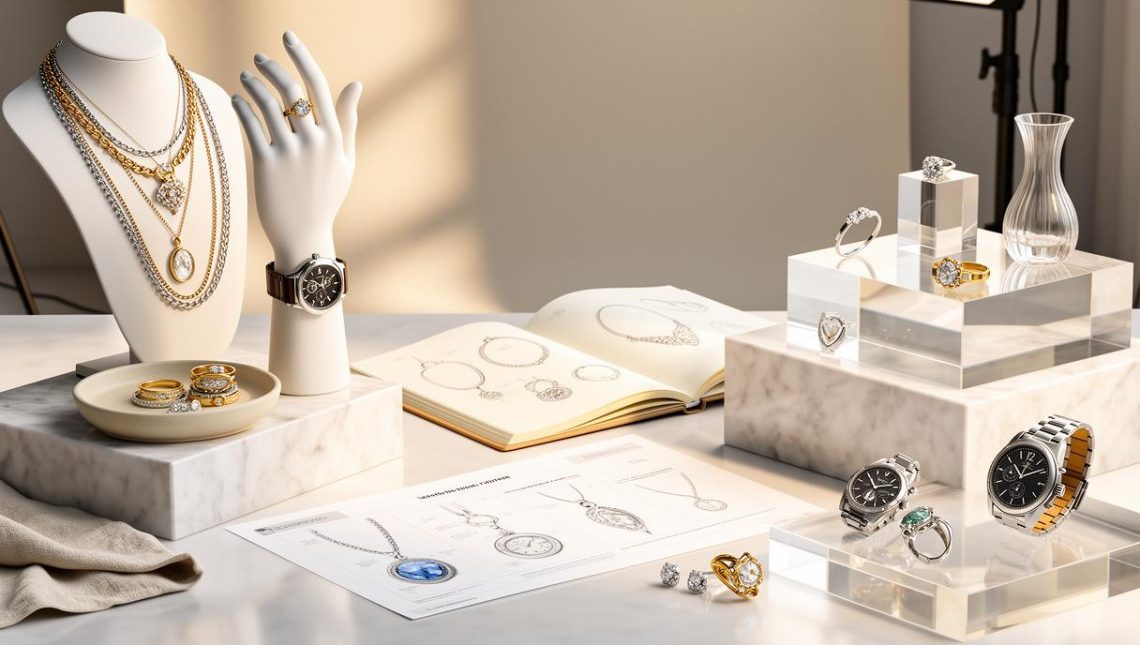
From Sketch to Spotlight: The Jewellery Content Creation Tool Powering Faster, Smarter Visuals
High‑end jewellery thrives on detail, emotion, and trust. Yet the traditional path to polished visuals—booking studios, hiring models, chasing lighting consistency—can be slow, costly, and hard to scale across channels. A modern jewellery content creation approach replaces that friction with speed and creative control, transforming sketches, CAD files, or simple product photos into studio-grade assets that look ready for the front page of any boutique or marketplace.
Why a Jewellery Content Creation Tool Matters Now
Jewellery buyers make decisions with their eyes. They zoom into facets, compare finishes, and expect clarity from every angle. A dedicated jewellery content creation tool tackles the visual expectations of today’s shopper by removing bottlenecks and delivering repeatable quality. Instead of coordinating complex shoots whenever a new SKU or variant lands, creative teams can generate clean packshots, rich lifestyle scenes, and on‑model visuals at a fraction of the time and cost. This agility supports seasonal drops, custom orders, and rapid experimentation without sacrificing craftsmanship.
Consistency is another reason specialized tools matter. Rings, bracelets, watches, and pendants must look cohesive across e‑commerce, social campaigns, and print. A reliable pipeline standardizes lighting, angles, shadows, and reflections so a brand’s catalog feels curated—whether viewed on a product detail page or a billboard. That consistency stretches beyond aesthetics into performance: crisp 2K and 4K imagery improves zoom experiences, supports high-resolution print, and fuels algorithm-friendly social formats.
Speed-to-market is equally critical. With launch calendars tightening, marketers need visuals before final prototypes arrive—or immediately after a design pivot. Tools built for jewellery can render materials like platinum, gold, and rhodium with lifelike specularity; gemstones can show believable dispersion and sparkle; pavé settings and prongs can be displayed with realistic micro-shadows. The result is pre‑sale visuals that look authentic enough for customer testing, preorders, or wholesale lookbooks.
Finally, a specialized platform empowers teams of all sizes. Independent artisans, boutique ateliers, and growing luxury labels can compete with heritage brands by producing studio‑quality content in‑house. Drag‑and‑drop controls, smart editing, and batch outputs let marketers, designers, and merchandisers collaborate without waiting weeks for the next available studio slot. This streamlined workflow brings products to life faster—so inventory turns quicker, budgets stretch further, and creative energy stays focused on the collection rather than logistics.
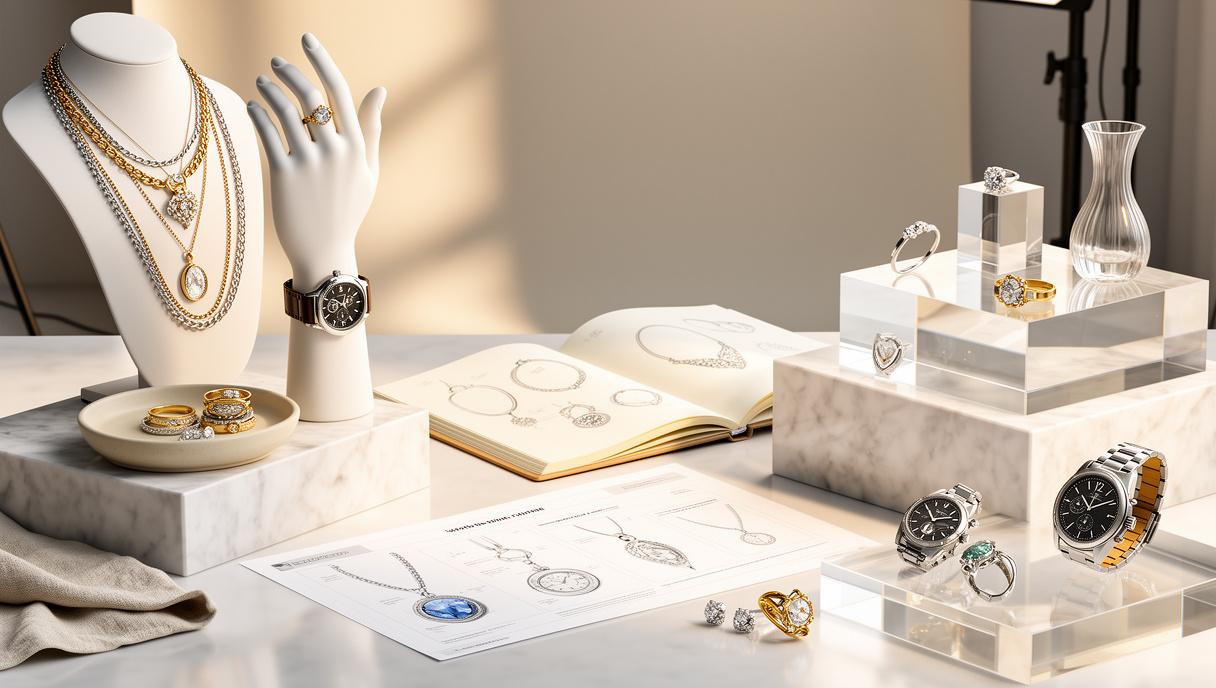
Core Capabilities to Look For: From CAD to Studio-Quality Visuals
At its best, a jewellery content creation tool should accept multiple inputs—sketches, CAD files, or reference photos—and convert them into striking visuals across formats. Look for a pipeline that understands jewellery’s unique material science: PBR‑accurate metals, gemstone shaders that simulate brilliance and fire, and micro-detail rendering that respects claws, bezels, and filigree. Advanced lighting rigs are essential; HDRI and physically based lighting help preserve realistic reflections on polished metals while avoiding blown highlights or muddy shadows.
The platform should excel at foundational deliverables. Clean, layered packshots on white or transparent backgrounds remain the backbone of e‑commerce and marketplace listings. Features like angle presets, consistent turntable rotations, and shadow/reflection controls make it easy to match retailer specs. For brand storytelling, lifestyle scenes should be equally simple: place pieces into editorial environments—marble surfaces, soft fabrics, or minimal architectural sets—and maintain color accuracy so metals and stones stay true to life under varied lighting.
On‑model imagery is often the costliest content type to produce in a traditional studio. Virtual on‑model tools let teams specify skin tones, hand positions, necklines, and poses that complement scale and styling. This offers the benefits of model-led context—proportions, wearability, elegance—without scheduling constraints. Smart masking and edge refinement protect fine chains and openwork against complex backgrounds, while depth‑of‑field and macro options bring out tactile details like milgrain edges or satin finishes.
Finally, outputs must be practical. Expect 2K and 4K exports, social‑ready crops, and print‑friendly profiles, along with batch processing to generate variant sets for different metals, sizes, or gemstone colors. Built‑in brand presets maintain visual identity across campaigns. Teams benefit most when the interface is approachable: a drag‑and‑drop “virtual studio,” simple material swatches, and intuitive lighting sliders shorten the learning curve. If you are comparing solutions, consider platforms that deliver all of the above—tools like a purpose‑built Jewellery content creation tool can streamline production from concept to launch‑ready assets without compromise.
Practical Workflows and Real-World Scenarios for Artisans and Luxury Brands
Consider a boutique jeweller preparing a capsule collection for spring. The designer begins with CAD files for six pieces, each available in yellow, white, and rose gold with multiple gemstone options. Instead of organizing three separate shoots, the team imports the CADs, applies material presets, and renders a complete matrix of variants. Packshots are produced first: front, angled, and side views with consistent shadows and reflections. The system exports 4K masters for archival use and automatically generates web‑optimized versions for the product page and marketplace listings.
Next, the brand builds lifestyle assets to tell a cohesive story. Using a virtual set, the team places the collection on textured stone with soft morning light, then duplicates the scene for a dusk mood to fuel A/B testing across paid social. Macro close‑ups emphasize craftsmanship: pavé alignment, prong quality, and stone clarity. For on‑model context, the same pieces are composited onto virtual hands and décolletage in natural poses, showing scale without hiring talent or coordinating wardrobe. Subtle tilt‑shift and depth‑of‑field guide the eye to the focal jewel while preserving skin texture realism.
A second scenario involves a direct‑to‑consumer brand exploring preorders before manufacturing. The design team loads sketches and early CADs to produce believable prototypes. Color‑accurate metals and gemstone shaders communicate intent while disclaimers clarify minor changes may occur. With compelling visuals in place, the brand tests price points, captures email interest, and shares lookbook PDFs with boutique partners. The ability to iterate quickly reduces financial risk and improves demand forecasting.
Even established luxury houses benefit from this workflow when refreshing evergreen lines. A centralized preset ensures every packshot aligns with historical images while accommodating new camera angles for today’s zoom behaviors. Regional teams can localize lifestyle scenes—think warm, sunlit surfaces for Mediterranean campaigns or cool, marble minimalism for Northern city boutiques—without diluting the brand’s visual language. Because outputs span social ratios, marketplace requirements, and high‑resolution print, marketers publish once and distribute everywhere, confident that details like claw settings, engravings, and hallmark stamps remain crisp.
The operational gains are tangible. Creative cycles compress from weeks to days. Budget reallocates from logistics to storytelling. And because assets are truly launch‑ready, teams can support flash promotions, influencer collaborations, and wholesale requests without last‑minute scrambles. Above all, the visuals honor the craft: lifelike lighting, gemstone sparkle, and meticulous edge handling ensure every image feels worthy of the piece it represents. For artisans, independent designers, and growing luxury brands, embracing an AI‑powered jewellery content workflow is no longer a nice‑to‑have—it is a competitive advantage that elevates both brand perception and bottom line.

Born in Taipei, based in Melbourne, Mei-Ling is a certified yoga instructor and former fintech analyst. Her writing dances between cryptocurrency explainers and mindfulness essays, often in the same week. She unwinds by painting watercolor skylines and cataloging obscure tea varieties.

Mei-Ling Han
Born in Taipei, based in Melbourne, Mei-Ling is a certified yoga instructor and former fintech analyst. Her writing dances between cryptocurrency explainers and mindfulness essays, often in the same week. She unwinds by painting watercolor skylines and cataloging obscure tea varieties.